
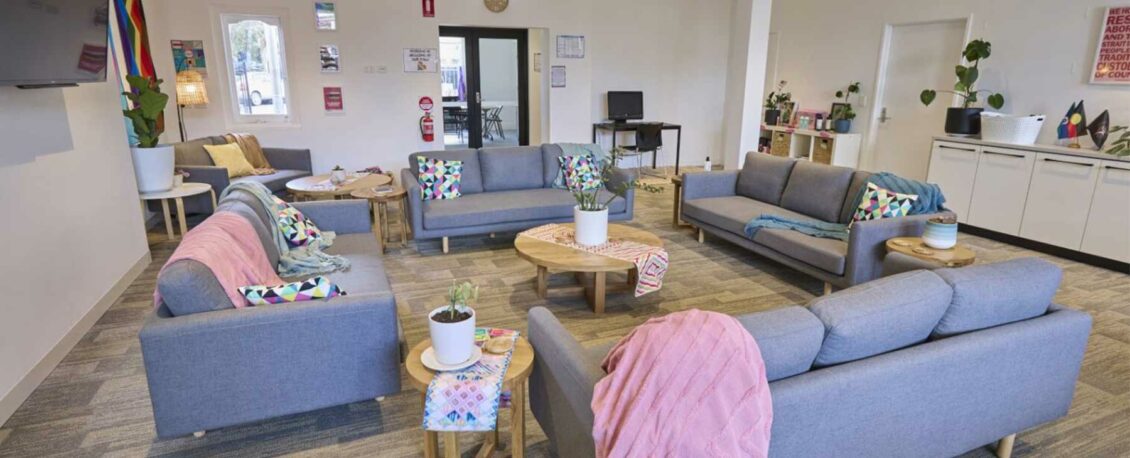
Women’s Drop-In Centre, Melbourne
Our mission work here in Australia has invited us to walk with individuals experiencing homelessness. While we have a drop-in centre, open every day to receive a meal, friendly conversation, seeking support. We also have a woman’s house. Recently, I was present there in the morning, dropping off a few supplies and having conversations with a few of the women I knew. There was a hum in the kitchen, kettle boiling, smell of coffee lingering, morning toast being served. I overheard a woman say “funny, hey… something so simple can feel like everything.”
There was no verbal response, yet it was evident that there was a kind of knowing in the room.
Leaving a sense of awareness, perhaps this is where Easter begins for us, not only in churches and liturgies, but in these ordinary, sacred moments. In kitchens that smell like toast and tea. In conversations that carry both laughter and loss. In the simple act of being together.
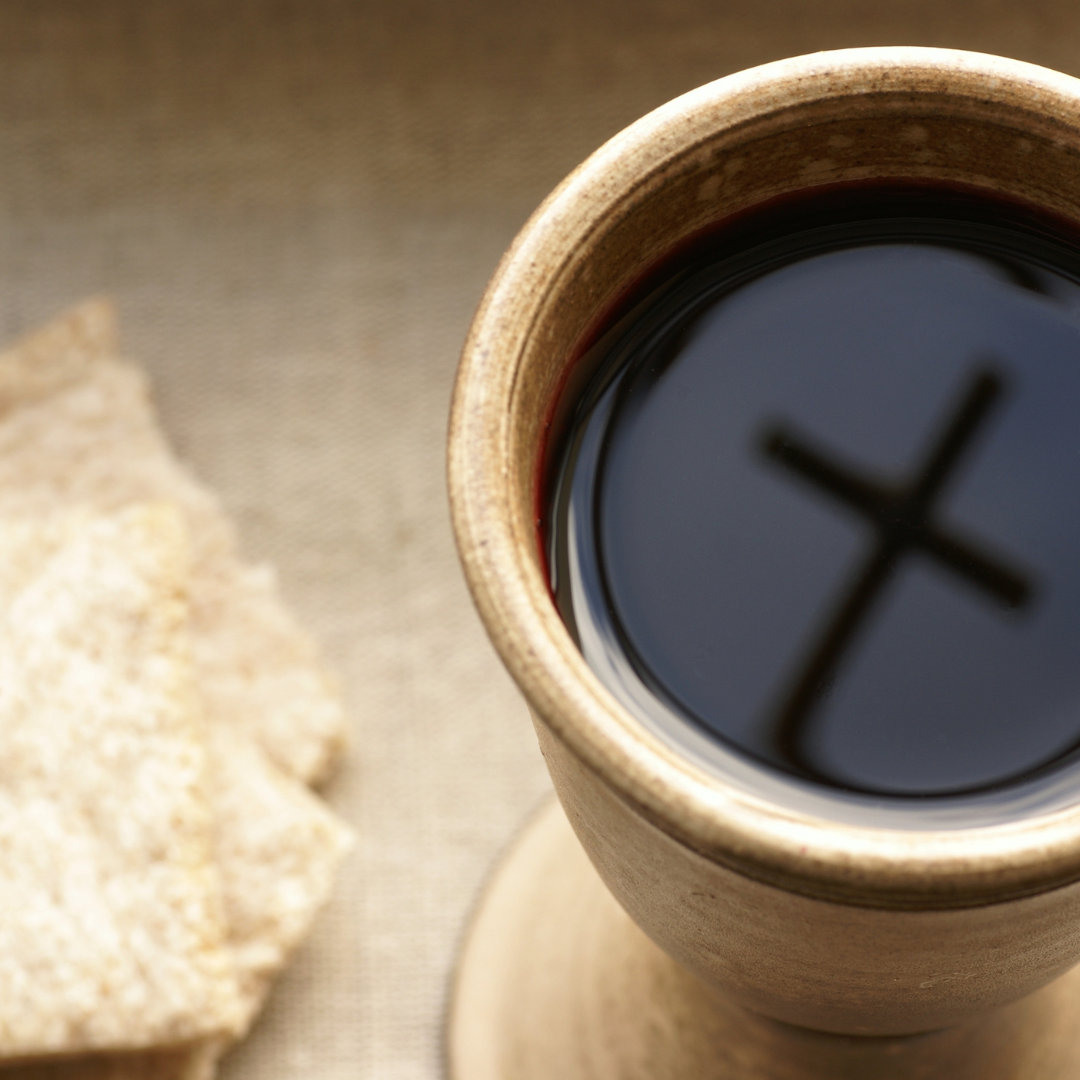 Karl Rahner wrote that the rituals of Holy Week are not ends in themselves, but anchors, ways of holding us steady in the pain and passion of our own lives for our coming home to the wonder and challenge of our true identity in God. He cites Thomas Merton who wrote ‘We are already one, but we imagine that we are not. And what we have to recover is our original unity. What we have to be is what we already are.’
Here in Australia, we can relate to that sense of disconnection sitting close to the surface. We see it in the widening gaps, between those who have and those who do without, between safety and uncertainty, belonging and isolation. We hear it in stories shared quietly over a cuppa. And yet, beneath it all, something deeper remains.
At the table, in the Eucharist, we are drawn back to that deeper truth.
Thich Nath Hanh, a Vietnamese Buddhist saw the oneness between the Bread of the Eucharist and the Cosmos when he wrote: ‘This piece of bread is the body of the whole cosmos. If Christ is the body of God, which he is, then the bread he offers is also the body of the cosmos. Look deeply and you notice the sunshine in the bread, the blue sky in the bread, the cloud and the great earth in the bread. Can you tell me what is not in a piece of bread? The whole cosmos has come together in order to bring to you this piece of bread. You eat it in such way that you come alive, truly alive.’
Nothing is missing. Everything belongs.
And maybe that’s what we glimpse, even in a piece of toast shared at a drop-in table, or the words shared over a cuppa, that life, in all its fragility, is still holding together.
We see this same truth in Jesus kneeling to wash feet. Not just the feet of the faithful, but the feet of the one who would betray him. Love, here, is not cautious or selective. It crosses boundaries. It stays. Pope Francis gave us a contemporary living example of this in his outreach on Holy Thursday taking a ritual and making it into a living act.
And still, we find ourselves at the foot of the Cross.
There are days when our world feels like it is living through a long Good Friday. We see it in the ongoing suffering of war and displacement across the globe. But we also see it here, in the quiet exhaustion of those doing it tough, in the ache of broken relationships, in the grief that doesn’t always have words. In our Australian way, we don’t always name these things out loud. But they are there.
Perhaps this Easter, we are being invited not to rush past them, but to honour them. To make space for grief, our own, and that of the wider human family. To stand, as the women did, present at the Cross, not turning away.
And yet, this is not the end of the story.
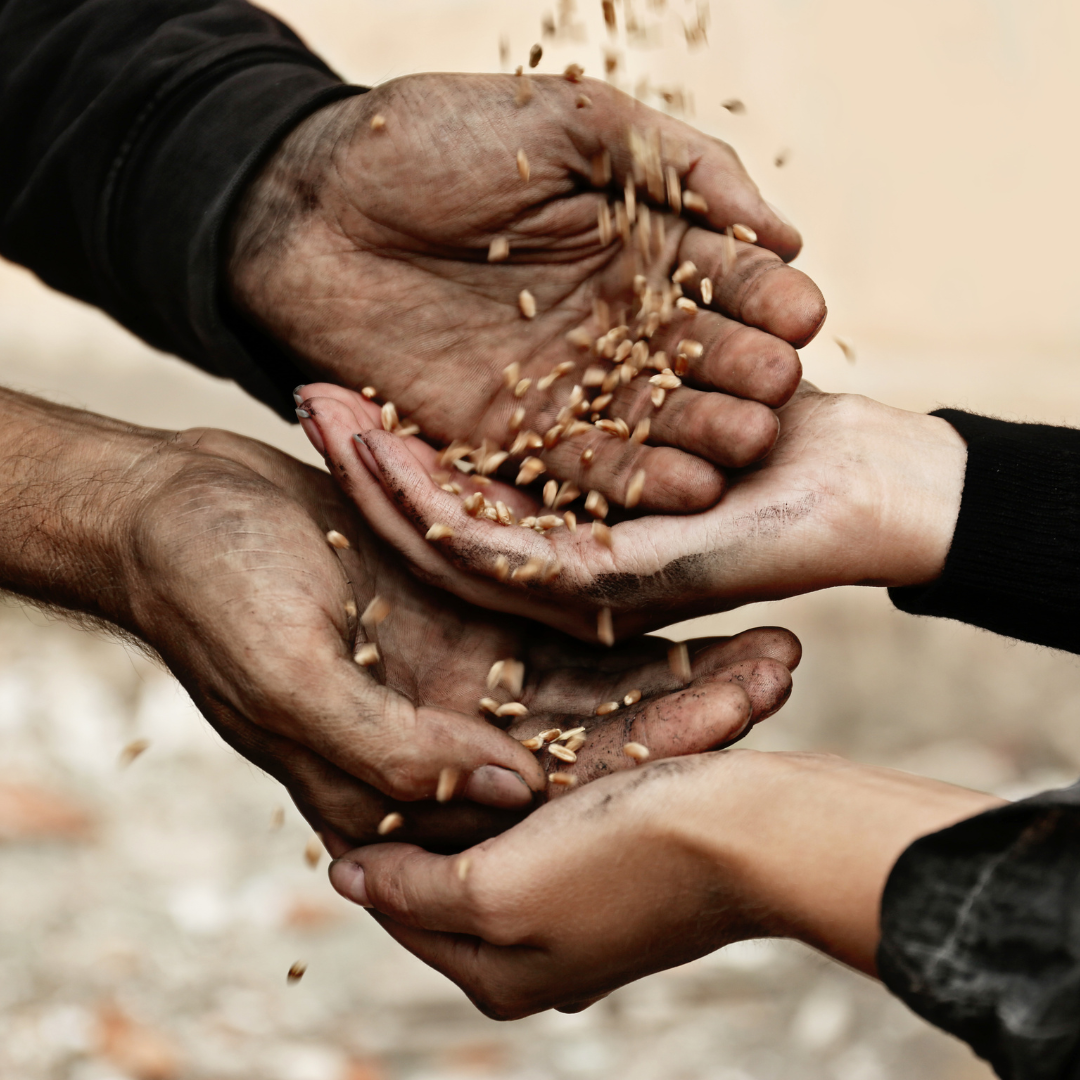 Here, in the great Southland of the Holy Spirit, Easter meets us in Autumn. This light is softer now. Leaves slowly starting to scatter across footpaths. The air carries a quiet change. There is a kind of letting go written into the land itself. But beneath this, something unseen is stirring.
This is the rhythm we trust. The Paschal Mystery is not far from us, it is written into the turning of the seasons, into the land we walk on, into the lives we accompany each day be it physically or in prayer.
This is the bread.
So, when we gather this Easter, whether in a chapel, around a table, or standing quietly near a tree or the seas, perhaps we come with new eyes.
Seeing not just bread, but the whole of creation.
Not just ritual, but relationship.
Not just remembrance, but a living, breathing presence.
And in this season as we prepare to celebrate it in company with our community, religious and lay, who embrace the Passionist charism and live with hope that the new will come.
Perhaps in a Southern Easter,
we are shown the gift of dying.
Why else our strange hope in the fading colours,
the falling leaves, the letting go.
And not just in the image of the old,
but truly new as yet unseen.
There is a gift from beyond, perhaps,
in this fraying transparency of flesh-
the slow then sudden change,
from visible to invisible,
known to unknown.
Ever hoped for and ever a surprise,
this resurrection appears
amidst the very molecules of nature…
yet it is not her doing.
It is more than she (or we) can do
more than cycles or seasons can give.
Something new can come
but only through the dying.
Such a happening is utter grace.
We conceive it only through faith,
and in the lively chill of Easter air,
it draws our heart with its unbelievable promise.
A quiet reminder, carried in something as simple as bread:
We belong to one another.
We always have.
We are already one.
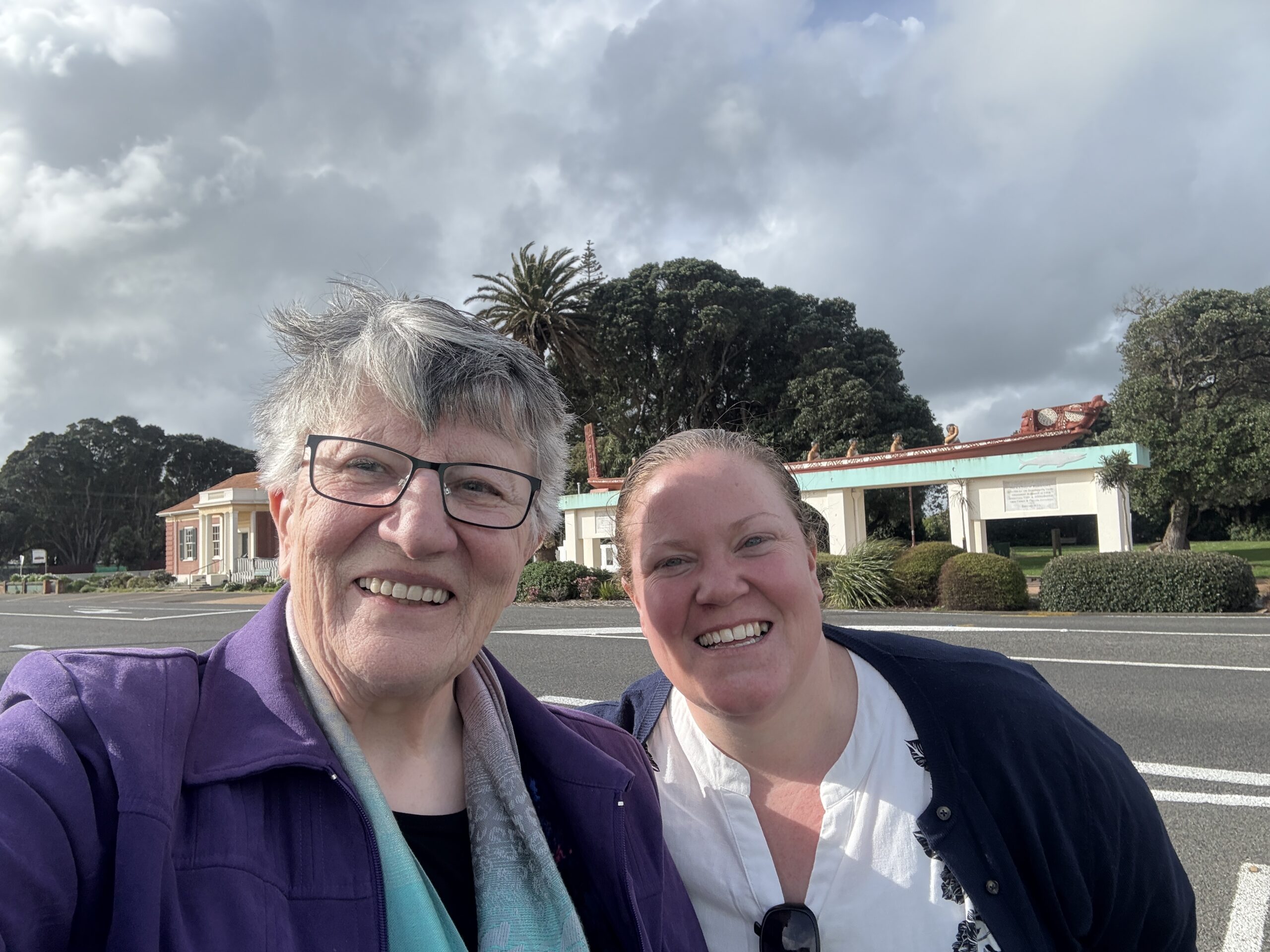
Kia tau te rangimarie ki a koe i tēnei Aranga – May peace rest upon you this Easter from your Australian Community.
Really beautiful, much food for reflection. Thank you very much.
Happy Easter to you Bridgit and Karen.
Lovely article. And you both look so well/
Just want to say a special thank you for this and wish both of you a Blessed Easter and happy Autumn!
Easter Blessings of Peace & Joy ,Brigid & Karen .
Thank you for that very inspiring reflection .
You have helped me to see BREAD in a very deep & meaningful way .
Thank you !
Thank you for your insights. We join with you as we here in the North watch with prayerful anticipation await Easter “ amidst the very molecules of nature” as we watch the slow change of the dark tree buds break forth, in our case, from the invisible to the visible.
May your Easter be filled with joy and peace
Beautiful and very thought provoking
What a truly beautiful reflection! Thank you so much Brigid and Karen and a very Happy Easter to you both!
We belong to one another.
We always have.
We are already one.
So true. Amen to this <3
This is really beautiful and so reflective. Thank you very much, sisters.
Thank you . A truly beautiful reflection on the meaning of Easter in our lives today.
This reflection has a message for me this Holy Thursday morning. Thank you Australia!